• SELECTED PROJECTS
  • About
  • Curriculum Vitae
  • IMPACT & METHODOLOGY
  • ARTIST STATEMENT
  • Contact
freskoimageworks.com
  • SELECTED PROJECTS
  • About
  • Curriculum Vitae
  • IMPACT & METHODOLOGY
  • ARTIST STATEMENT
  • Contact

The Myth of Arrival

There is a persistent narrative that fulfillment exists at a destination — a future state where effort ceases and satisfaction stabilizes. When the physique is complete. When the portfolio is recognized. When the relationship materializes. When the milestone is achieved.

But the longer I pursue long-term goals, the more I question the concept of arrival.

In bodybuilding, there is always refinement. More symmetry. Greater density. Leaner conditioning. The standard shifts as soon as it is reached. In art, mastery is elusive. Each project exposes new limitations. Each completed piece suggests further possibility.

Arrival, if it exists, is temporary.

This realization could be discouraging. If there is no final plateau, what is the point? But I find it clarifying.

The value is not in the static endpoint; it is in the iterative ascent.

Historically, the artists and thinkers who endured were not those who “arrived” and remained fixed, but those who continued evolving. Leonardo da Vinci did not conclude his inquiry after mastering one discipline. He moved fluidly between painting, engineering, anatomy, and invention. His legacy rests not in arrival, but in perpetual curiosity.

The same principle applies physically. A maintained physique requires maintenance. A sharpened mind requires continued challenge. A stable relationship requires ongoing attention.

Arrival implies stasis. Growth requires motion.

There is also danger in tying identity to a future milestone. If worth depends on reaching a specific state, the present becomes merely transitional. Life becomes rehearsal rather than experience.

I have begun reframing goals as directional rather than terminal. They orient effort without promising completion. They provide structure without illusion.

When I think back to earlier ambitions — travel, aesthetic development, creative output — each felt monumental at the time. Reaching them brought satisfaction, but not permanence. New aspirations emerged almost immediately.

This is not failure. It is evidence of expansion.

Perhaps the more honest framing is this: there is no arrival, only refinement. No final version, only evolving drafts.

The pursuit itself becomes the practice.

And if there is fulfillment to be found, it lies not in standing at a summit, but in recognizing that the climb has shaped you long before you reach it.

tags: #MythOfArrival, #ProcessOverOutcome, #TheLongGame, #EndlessPractice, #CreativeDiscipline, #LifeInProgress, #NoFinalForm, #IncrementalProgress, #ConsistentEffort, #DisciplineOverMotivation, #SelfMastery, #LongTermThinking, #PracticeForLife, #JourneyNotDestination, #MeaningInTheProcess, #CreativeLife, #PhilosophyOfGrowth, #ReflectiveWriting, #PersonalPhilosophy, #PurposefulLiving, #ThoughtfulLiving, #IntentionalLife, #BuildYourLife, #InnerDevelopment, #DepthOverNoise
Friday 07.10.26
Posted by FRESKO IMAGEWORKS
 

The Body as Architecture

I increasingly think of the body not as flesh alone, but as structure — a deliberate piece of evolving architecture shaped over time. This shift in perspective changes everything. Training ceases to be punishment. It becomes design.

Architecture requires intention. No building rises accidentally. There is planning, proportion, load-bearing consideration, and an understanding of how negative space defines form as much as material does. The same principles apply to physique development. One does not simply accumulate mass; one refines symmetry, adjusts ratios, studies silhouette. Each muscle group is not isolated, but relational.

This is where the sculptural element emerges. The Renaissance understood this well. In works attributed to Michelangelo, tension and stillness coexist. Strength is inseparable from grace. Even unfinished figures reveal a profound awareness of how form emerges gradually from resistance. The body, similarly, is revealed through constraint — through repetition, recovery, recalibration.

But unlike marble, the body is alive. It adapts to stress. It compensates. It fatigues. Architecture built from biology demands maintenance. It requires listening as much as imposing. Ignore structural integrity and collapse follows — in injury, imbalance, or burnout.

There is also a psychological dimension that makes this metaphor more than aesthetic. To shape one’s physique intentionally is to assert authorship over appearance. In a culture that commodifies and critiques the body from the outside, designing it from within becomes an act of reclamation. Instead of passively inheriting form, one participates in constructing it.

Yet architecture is not solely visual. A building must function. A body must perform. Size without mobility is fragility. Strength without endurance is instability. Aesthetic without health is unsustainable. True architecture harmonizes beauty and utility; the same should be demanded of physical development.

This balance is where maturity enters the discipline. Early training often prioritizes visible change — mass, leanness, measurable markers. Over time, deeper concerns emerge: structural balance, joint longevity, proportional development, sustainability. Foundations become more important than facades. Foundations take time.

No cathedral is assembled in a season. No meaningful physique is constructed without years of patient layering. Setbacks are part of the process. Plateaus, injuries, recalibrations occur despite one’s best efforts avoid them. Architects revise plans. Builders reinforce beams. Likewise, the body requires periodic redesign.

What I value most about this approach is that it reframes the gym from battlefield to studio. Training becomes less about aggression and more about refinement. It is a long-term dialogue between intention and adaptation.

The body is both medium and maker. It responds to deliberate stress the way stone responds to chisel — gradually revealing what was latent. But unlike stone, it demands respect. It demands rest. It demands coherence between ambition and sustainability. To treat the body as architecture is to think generationally rather than impulsively. It is to ask not only how it looks now, but how it will stand decades from today.

Design is not spectacle. It is structure that endures.

tags: #NonCompetitiveBodybuilding, #BodybuildingAsPractice, #ArtOfTraining, #BodybuildingLifestyle, #BodyAsPractice, #TrainingForLife, #LifelongTraining, #PersonalBodybuilding, #IntentionalTraining, #StrengthPractice, #DisciplineOfTheBody, #FreedomThroughDiscipline, #DailyDiscipline, #PhysicalDiscipline, #SelfMastery, #EarnedStrength, #LongTermTraining, #IncrementalProgress, #ConsistencyOverIntensity, #DisciplineEqualsFreedom, #BodyAsArt, #PhysicalAesthetics, #TheArtOfTheBody, #EmbodiedPractice, #LivingArt, #EmbodiedDiscipline, #ArtThroughDiscipline, #CreativeDiscipline, #AestheticPractice, #TheBodyAsMedium, #StrengthLifestyle, #TrainWithPurpose, #StrongBodyStrongMind, #StrengthAsLifestyle, #PhysicalCulture, #IntentionalStrength, #StrengthAndAwareness, #TrainingPhilosophy, #PhilosophyOfStrength, #ReflectiveWriting, #ThoughtfulTraining, #PhilosophyOfTheBody, #MindBodyPractice, #CreativePractice, #IntentionalLiving, #DepthOverNoise
Friday 07.03.26
Posted by FRESKO IMAGEWORKS
 

Open vs. Monogamous Gay Relationships

Lately I have found myself questioning whether monogamy is truly feasible over the long term. It is a question that surfaces frequently within conversations about modern relationships, particularly in gay communities where different relational structures appear more openly discussed. Traditional monogamy presents a clear model: two partners commit to exclusivity, emotionally and physically. For many people this structure provides stability, clarity, and a sense of security. Yet it also raises questions about whether lifelong exclusivity is realistic for everyone.

In contrast, some couples choose open relationships — arrangements that allow sexual experiences outside the partnership while maintaining emotional commitment to one another. Observing these dynamics from the outside can be fascinating. Some couples in open relationships appear genuinely content, sometimes even more relaxed than couples who adhere strictly to monogamy. This observation naturally leads to a question: does openness require a higher level of emotional maturity?

An open relationship seems to demand a strong sense of communication, trust, and self-awareness. Jealousy must be acknowledged rather than ignored. Boundaries must be discussed clearly. Emotional security within the partnership must be strong enough to withstand the presence of outside encounters. Without those foundations, the structure could easily collapse.

At the same time, monogamy carries its own challenges. It assumes that two individuals will meet all of each other’s emotional and sexual needs indefinitely. For some couples that arrangement works beautifully. For others it creates silent tensions that are rarely discussed openly. What interests me most about this topic is removing the moral framing that often dominates the conversation. Historically, arguments against non-monogamy have relied heavily on moral or religious positions. But if we set those aside for a moment, the question becomes more psychological than moral.

What relationship structure actually produces fulfillment?

Some people thrive within monogamy because it aligns with their emotional wiring. Exclusivity deepens their sense of intimacy. The bond becomes stronger precisely because it is contained between two individuals. Others may feel that sexual exploration does not necessarily threaten emotional loyalty. For them, separating physical experiences from emotional commitment may actually relieve pressure on the primary relationship. Neither model is inherently superior in the abstract.

The real issue seems to be compatibility — not only between partners, but between individuals and the structures they choose. An open relationship entered reluctantly or under pressure is unlikely to succeed. Likewise, monogamy maintained purely out of social expectation may create resentment over time.

Perhaps the deeper question is not which structure is correct, but whether partners are honest enough with themselves and with each other to build a relationship that reflects their actual needs. That level of honesty requires courage. It requires acknowledging uncomfortable emotions such as jealousy, insecurity, and fear of loss. It also requires recognizing that no relationship structure eliminates vulnerability entirely. Every form of love involves risk.

At the moment, I am not entirely certain where I fall on this spectrum. What I do know is that the conversation itself reveals something important: relationships are not static institutions handed down unchanged through history. They are evolving agreements between human beings attempting to navigate intimacy, freedom, loyalty, and desire all at once. Perhaps the real success of any relationship — open or monogamous — lies not in the structure itself, but in the level of understanding shared by the people inside it.

tags: #GayRelationships, #OpenRelationships, #MonogamyDebate, #ModernRelationships, #RelationshipStructures, #GayDating, #LGBTQRelationships, #EthicalNonMonogamy, #PolyamoryDiscussion, #RelationshipPhilosophy, #LoveAndCommitment, #RelationshipDynamics, #DatingCulture, #GayCommunity, #QueerPerspectives, #IntimacyAndTrust, #RelationshipConversations, #ModernLove, #ReflectiveWriting, #ThoughtfulWriting, #HumanConnection, #DepthOverNoise, #IdeasWorthExploring
Friday 06.19.26
Posted by FRESKO IMAGEWORKS
 

Constantine or Nero: Reflections on the Trump Era

LITTLE NERO

Political moments often feel chaotic while they are unfolding. The participants and observers living through them rarely possess the clarity that later historians will claim. Still, every so often a metaphor arises that seems to capture the emotional atmosphere of a particular era. One phrase that comes to mind when reflecting on the rise of Donald Trump is this: “The citizens of the republic clamored for Constantine but instead found Nero.”

The comparison is not meant as literal historical equivalence, but as symbolic language. Constantine the Great is remembered as a figure who stabilized and reshaped an empire during a time of transformation. Nero, by contrast, has become a cultural shorthand for decadence, spectacle, and imperial decline.

Many voters who supported Trump believed they were selecting a disruptive figure who would restore strength to a political system they believed had grown stagnant or corrupt. The desire for disruption was real, and it reflected a deep dissatisfaction with existing institutions. Yet disruption is a dangerous tool. It can lead to renewal, but it can also accelerate fragmentation. The question that lingers over this period in American history is whether it represents the beginning of a renaissance or the symptoms of imperial fatigue. The United States has long described itself as a democratic experiment, a republic designed to balance power through institutions rather than personalities. Moments of intense political polarization test the durability of that design.

During the Trump years, political discourse often shifts from policy debate into something closer to cultural warfare. Institutions that once commanded broad trust — media organizations, electoral systems, scientific authorities — became objects of suspicion or hostility for large segments of the population. At the same time, Trump’s supporters argued that those institutions had already lost credibility and required disruption in order to reform. From the perspective of the present moment, it remains difficult to determine which interpretation will dominate historical analysis.

Empires rarely recognize their own decline while it is happening. The citizens of ancient Rome did not wake up one morning and collectively declare that they were living through the twilight of their civilization. They continued with daily life while political structures slowly transformed around them. Something similar may be happening now…or it may not.

It is equally possible that historians decades from now will interpret this era not as collapse but as a turbulent phase in the evolution of American democracy. Periods of instability sometimes precede moments of renewal. Political systems can fracture before they reorganize themselves in new forms. The truth is that we are too close to the moment to see it clearly.

Future historians will examine the speeches, the elections, the protests, the legal battles, and the cultural shifts that defined this era. They will attempt to determine whether this period represented the beginning of a new chapter or the weakening of an old one. For those of us living through it, however, the experience is less philosophical. It simply feels like history moving beneath our feet, uncertain of where it intends to go.

tags: #PoliticalAnalysis, #PoliticalCommentary, #AmericanPolitics, #ModernPolitics, #PoliticalPhilosophy, #HistoryAndPolitics, #HistoricalAnalogy, #LeadershipAndPower, #DemocracyAndPower, #CivicReflection, #PoliticalCulture, #PoliticalHistory, #PowerAndLeadership, #CulturalCommentary, #ReflectiveWriting, #ThoughtfulWriting, #IdeasWorthExploring, #DepthOverNoise, #PublicDiscourse, #PoliticsAndHistory, #UnderstandingPolitics, #ContemporaryPolitics, #PoliticalPerspective, #DemocracyInFocus, #PoliticsAndSociety
Friday 06.19.26
Posted by FRESKO IMAGEWORKS
 

Pride Was Never About Convincing the People Who Hate You

“THIS MOMENT”

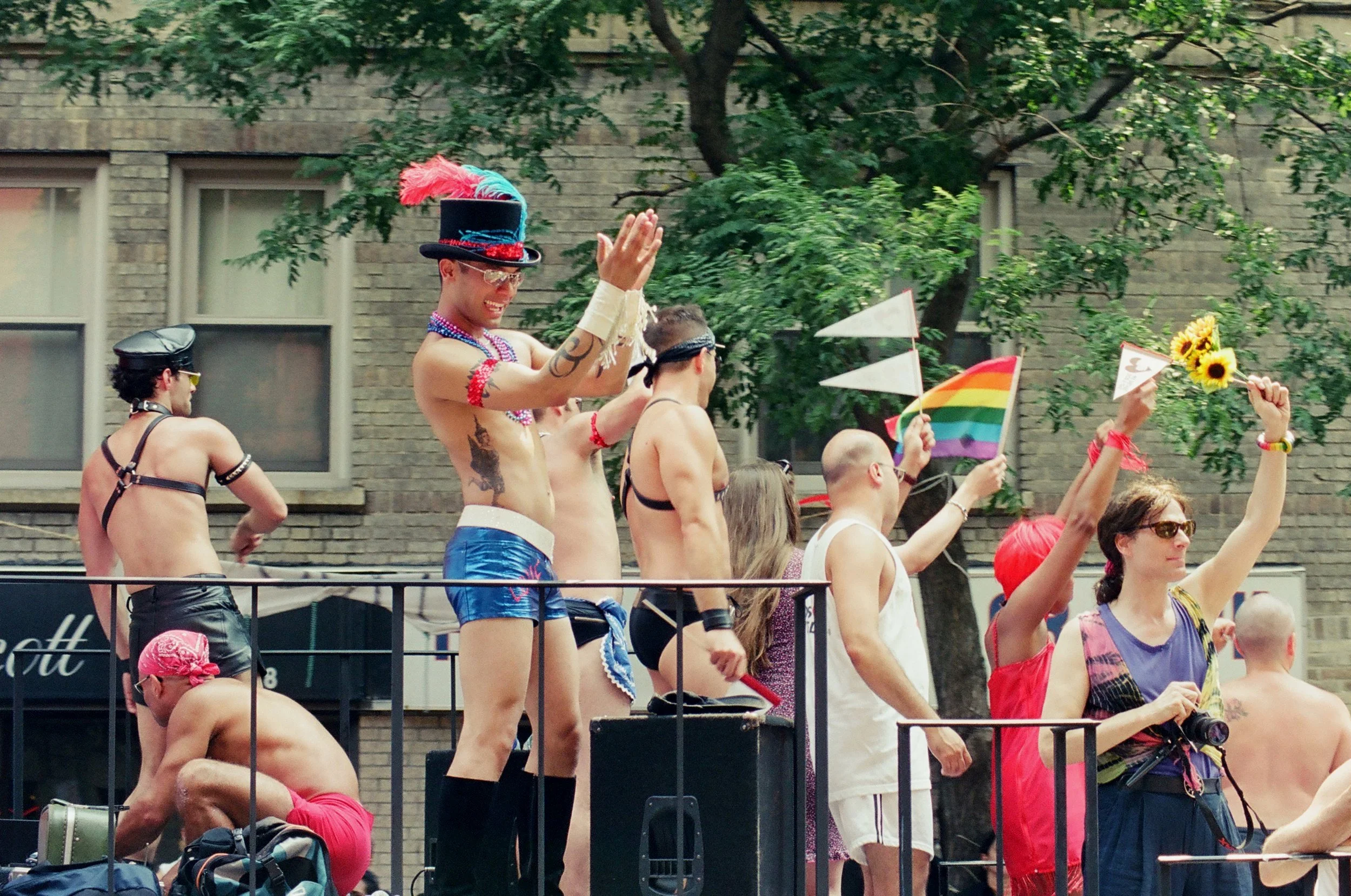
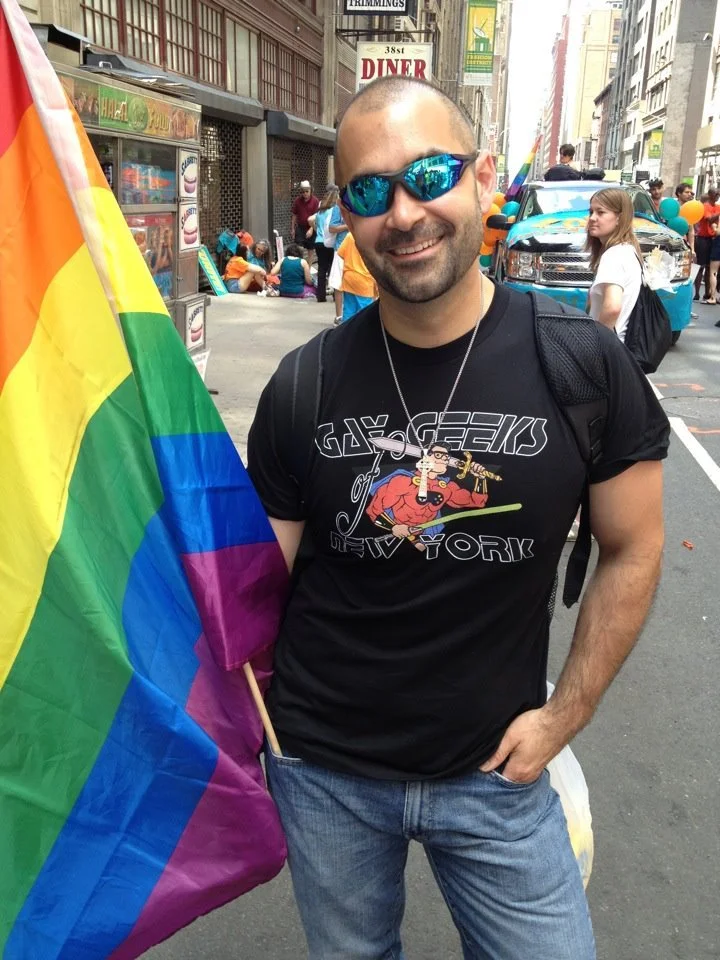
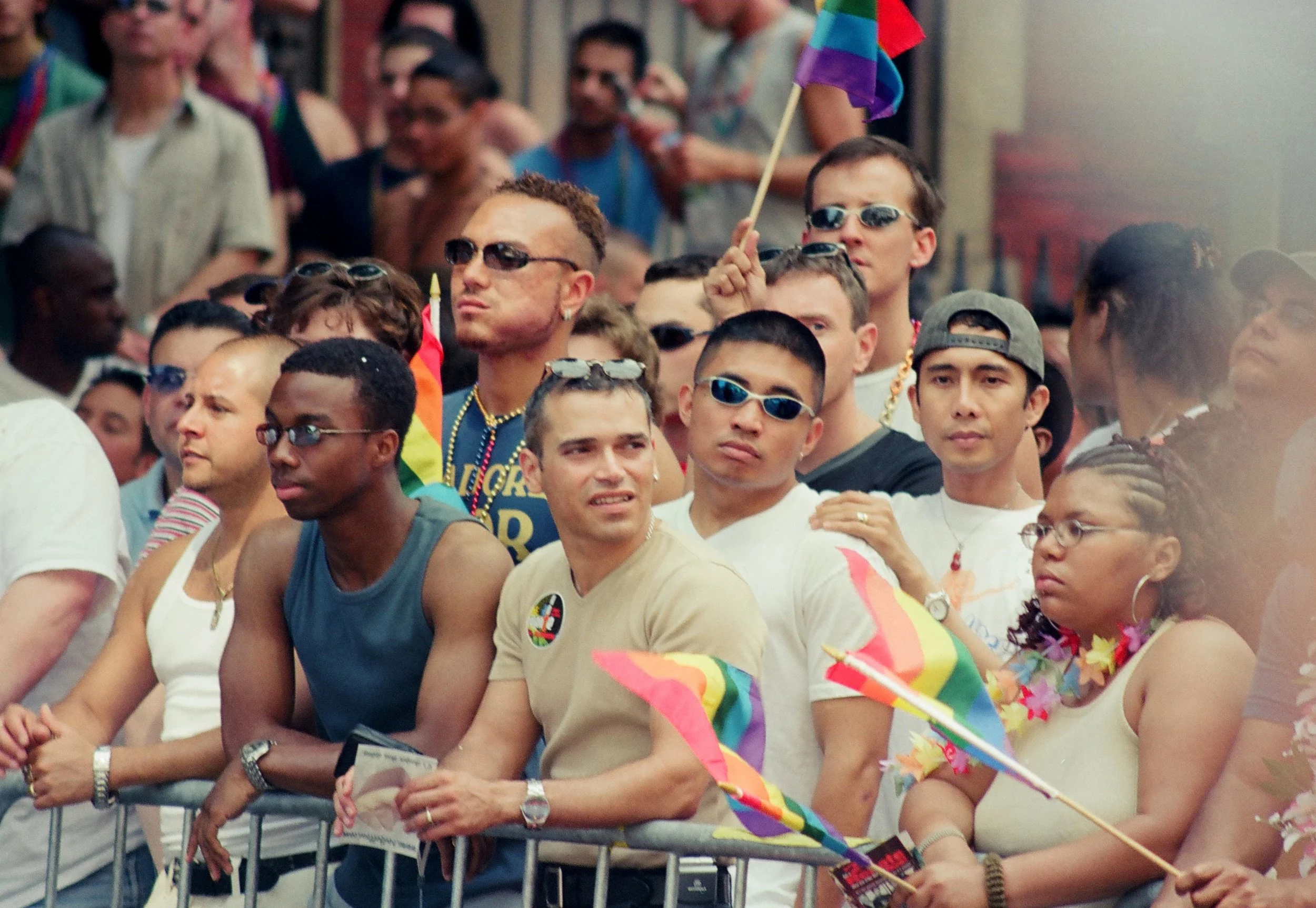
Photos By Francisco Escobar - NYC Pride 2003 from the STREET NYC Collection

Every June, social media becomes predictable. Corporations change their logos. People post rainbow flags. Others complain about rainbow flags. Supporters become louder. Opponents become louder. Everyone seems to pick a side and begins performing it publicly. But somewhere in the middle of all that noise, I think people occasionally lose sight of what Pride was actually supposed to be.

One thing broader LGBT acceptance has created is a strange expectation. There seems to be an assumption that increased visibility should somehow produce universal approval. If enough people come out; if enough representation exists in media; if enough companies issue carefully worded statements of support, then eventually everyone will come around. The implication is that acceptance is an inevitable destination and that resistance is simply a temporary obstacle standing in the way of progress. I don't think that's how people work.

Some people will never approve. Some people will never understand. Some people will never support you — and perhaps most importantly, some people are not worth the emotional labor required to be convinced.

Coming out was never a magical event that guaranteed applause. It was never a transaction where honesty automatically produces acceptance. For some people, coming out strengthens existing relationships. For others, it destroys them. Some people discover support in places they never expected to find it. Others discover rejection from people they believed would always love them. That reality is painful. But it is also clarifying.

“FIERCE”

While coming out may cost certain relationships, it often creates something more valuable: the freedom to stop negotiating your existence; the freedom to stop performing; the freedom to stop editing yourself for the comfort of others; the freedom to stop carrying the exhausting burden of someone else's expectations. Once that burden falls away, something interesting happens.

You begin finding your people; your allies; your chosen family. You begin to find the friends who celebrate rather than tolerate you; the partners who see you clearly. They are the communities where your existence does not require explanation, justification, or defense. They are the people who offer acceptance freely rather than conditionally. That is where Pride has always made the most sense to me.

It is not a demand for approval nor is it a campaign to force agreement. It is not to silence criticism, nor is it a request for applause. Pride is what happens after you stop needing those things.

There is a misconception, particularly online, that confidence means winning over your critics; that validation arrives when everyone finally agrees with you; or that dignity requires universal acceptance. The reality: maturity often looks exactly the opposite. It looks like recognizing that some people are committed to misunderstanding you. It looks like understanding that some people need villains for their worldview to function. It looks like accepting that hatred frequently has very little to do with the people being hated. But most importantly, it looks like refusing to organize your life around changing minds that have already been made up.

“JOYFUL”

The truth is that social progress does not eliminate prejudice. Visibility does not eliminate ignorance. Representation does not eliminate resentment. There will always be people who disapprove; people who object. There will always be people who find reasons to diminish, shame, mock, or dehumanize others. The mistake is believing that those people somehow deserve a seat at the center of your life. They do not.

Pride, at its healthiest, is not an argument directed toward those people at all.  It is a refusal to internalize their judgment; to carry their shame,; or to measure your worth according to standards designed by people who never intended to respect your humanity in the first place.

When someone says, "I don't approve," Pride responds, "That isn't my problem."

When someone says, "You should be ashamed," Pride responds, "I won't be."

When someone says, "I don't accept you," Pride responds, "I wasn't asking for your permission."

That is not arrogance. That is liberation. There is a profound difference between wanting acceptance and needing it. The former is human. The latter is captivity.

At some point, every LGBT person must decide whether they are going to spend their lives chasing validation from people committed to withholding it, or whether they are going to invest that energy into building relationships with people capable of offering genuine love, friendship, and respect. One path leads to endless frustration. The other leads to peace. Pride was never about forcing everyone to celebrate you. It was never about becoming immune to criticism. It was never about creating a world where nobody disapproves. It is about surviving in a world where some people always will. It is about finding one another. It is about building communities where dignity is assumed rather than negotiated. It is about creating spaces where people could live honestly without apology. Most of all, it is about understanding that your value as a human being is not determined by the approval of those who would diminish you.

What Pride ultimately offers is not victory over those people, but freedom from them. It is not an argument designed to persuade the unwilling. It is not a debate stage. It is not a referendum on whether others approve of your existence. Pride is the moment one realizes that the opinions of those committed to misunderstanding you are not nearly as important as they have convinced you they are. The goal is not universal acceptance. The goal is self-acceptance. The goal is finding community among those who offer respect freely rather than conditionally. The goal is building a life that is not held hostage by the approval of people who never intended to give it.

“ELATED”

Social media often obscures this reality. It creates the illusion that every hateful comment requires a response, that every criticism demands engagement, that every act of ignorance must be corrected. In practice, many people are not interested in learning. They are interested in performing. They are interested in provoking. They are interested in drawing others into endless cycles of outrage that consume emotional energy without producing meaningful change. There is tremendous power in recognizing when a conversation is no longer worth having. Not every critic deserves a rebuttal. Not every accusation deserves a defense. Sometimes the most liberating response is simply refusing to take seriously people who have not earned the authority they claim to possess.

The same principle applies to institutions. Corporations drape themselves in rainbow flags as though social progress can be achieved through seasonal branding campaigns one month out of the year. Multinational companies that spent eleven months pursuing profit suddenly discover their commitment to equality the moment Pride Month becomes marketable. Logos change colors. Advertising departments issue carefully crafted statements. Merchandise appears in stores. Social media teams post declarations of solidarity written by committee. While some of these efforts undoubtedly emerge from sincere people working within those organizations, it is difficult to ignore the transactional nature of much of it. Corporations are not activists. They are not moral authorities. They are not your friends. Their primary responsibility remains exactly what it has always been: generating revenue. When support for LGBT communities aligns with profit incentives, many companies are eager to participate. When that support threatens profitability, their courage often becomes far less visible.

This does not mean representation lacks value. Visibility matters. Seeing oneself reflected in media, advertising, and public life matters. But there is a difference between appreciation and dependency. Just as LGBT people should not base their self-worth on the approval of their critics, neither should they base it on the approval of corporations eager to monetize their identities. A rainbow logo is not liberation. A marketing campaign is not solidarity. A company selling Pride merchandise is not a substitute for friendship, community, family, legal protections, or genuine human acceptance. The danger lies in confusing recognition with belonging.

Belonging cannot be purchased. It cannot be manufactured by a public relations department. It emerges through authentic relationships, mutual support, shared struggle, and genuine care. It emerges among friends who answer the phone when life falls apart; among partners who remain when circumstances become difficult; among communities that provide refuge when the wider world becomes hostile. These are the things that sustain people. These are the things that matter long after the rainbow banners come down and the marketing campaigns end.

This is why I have increasingly come to view Pride not as a demand for acceptance but as a declaration of independence. One’s humanity does not require ratification from strangers, politicians, religious authorities, internet commentators, or multinational corporations. It is understanding that your worth exists independent of their approval.

The people who love you freely matter. The people who respect you matter. The people who stand beside you when doing so costs them something matter. The people who support your happiness, your growth, your safety, and your dignity matter, They matter more than any rainbow flag, more than any parade, any slogan, or any social media campaign. This is the enduring lesson of Pride: you do not have to spend your life convincing people to see your worth. You only have to stop giving power to those who refuse to see it.

SHOW YOUR PRIDE YOU SASSY BITCH!


tags: #GetYourShitTogether, #HardTruths, #SelfReflection, #PersonalAccountability, #WakeUpCall, #LifeLessons, #MomentsOfClarity, #HumanBehavior, #NightlifeReflections, #PrideReflections, #LGBTQVoices, #GayPerspective, #UrbanMoments, #ManhattanNights, #RealTalk, #PersonalGrowth, #InnerWork, #ReflectiveWriting, #ThoughtfulWriting, #LifeObservations, #HonestConversations, #HumanExperience, #DepthOverNoise, #IdeasWorthExploring, #pridemonth
Friday 06.12.26
Posted by FRESKO IMAGEWORKS
 

Discipline as Devotion

Discipline is often framed as punishment. A narrowing of options. A denial of impulse. But the longer I practice it — in training, in art, in thought — the more it feels less like restriction and more like devotion. Devotion implies love.

When I wake early to train, when I return to the canvas after a long day, when I revise a paragraph instead of abandoning it — I am not merely exerting willpower. I am choosing alignment. Discipline becomes the structure that protects intention from distraction. There is a misconception that creativity thrives in chaos. While spontaneity has its place, sustained output does not arise from randomness. It arises from ritual. From showing up when inspiration is absent. From honoring process even when the outcome is uncertain.

In bodybuilding, the body does not respond to intensity alone; it responds to consistency. In painting, skill does not emerge from occasional brilliance but from repetition. In writing, clarity sharpens through editing, not inspiration. Discipline is not glamorous. It is quiet. It is repetitive. It rarely produces immediate applause. But over time, it accumulates mass,  mass that is physical, intellectual, and spiritual.

There is also something grounding about it. In a culture of distraction and constant stimulation, discipline reasserts agency. It says: I choose what I build. I decide what receives my energy. I am not purely reactive. Devotion is sustained attention over time. When I think of discipline in that light, it shifts from obligation to offering. It becomes an act of respect toward my own potential. Perhaps that is the deeper layer — self-respect.

To commit to something long-term is to declare that it matters. To honor that commitment repeatedly is to affirm that you matter enough to pursue it. Discipline is not the opposite of freedom. It is the path to a more deliberate kind of freedom, one where outcomes are shaped rather than drifted into.

The body changes. The portfolio grows. The mind sharpens. None of it happens accidentally. It happens because devotion, practiced daily, compounds.

tags: #NonCompetitiveBodybuilding, #BodybuildingAsPractice, #ArtOfTraining, #BodybuildingLifestyle, #BodyAsPractice, #TrainingForLife, #LifelongTraining, #PersonalBodybuilding, #IntentionalTraining, #StrengthPractice, #DisciplineOfTheBody, #FreedomThroughDiscipline, #DailyDiscipline, #PhysicalDiscipline, #SelfMastery, #EarnedStrength, #LongTermTraining, #IncrementalProgress, #ConsistencyOverIntensity, #DisciplineEqualsFreedom, #BodyAsArt, #PhysicalAesthetics, #TheArtOfTheBody, #EmbodiedPractice, #LivingArt, #EmbodiedDiscipline, #ArtThroughDiscipline, #CreativeDiscipline, #AestheticPractice, #TheBodyAsMedium, #StrengthLifestyle, #TrainWithPurpose, #StrongBodyStrongMind, #StrengthAsLifestyle, #PhysicalCulture, #IntentionalStrength, #StrengthAndAwareness, #TrainingPhilosophy, #PhilosophyOfStrength, #ReflectiveWriting, #ThoughtfulTraining, #PhilosophyOfTheBody, #MindBodyPractice, #CreativePractice, #IntentionalLiving, #DepthOverNoise
Friday 06.12.26
Posted by FRESKO IMAGEWORKS
 

Get Your Shit Together!

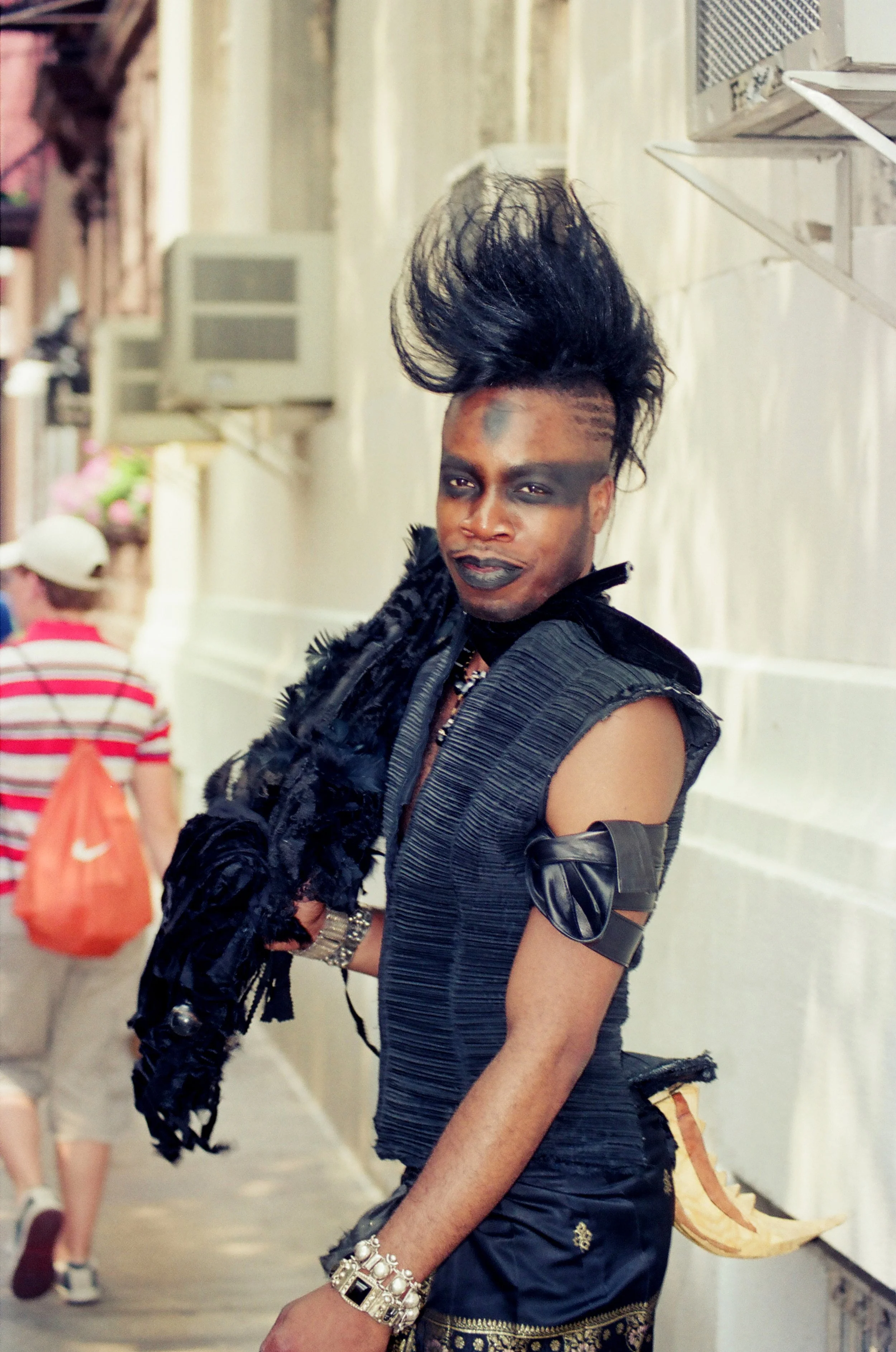
Some years ago I was attending a Pride event in Manhattan, one of those crowded gatherings where the music is loud, the drinks are flowing, and the energy oscillates somewhere between celebration and emotional release. At one point I stepped outside to smoke a cigarette, needing a brief break from the noise and the density of people inside. While I was standing there, I noticed another man nearby who appeared to be doing the same thing—taking a quiet moment away from the crowd. He seemed to be by himself, lingering near the edge of the sidewalk. I got the impression he had arrived with friends but had separated from them for a moment of solitude. What caught my attention first was that he was young and strikingly handsome, with a very distinctive look. The sort of person who, from the outside, appeared to have a lot going for him. The type of person people often assume is moving through life with ease. But there was something else about him that contradicted that impression. He looked troubled. Not dramatically so, but in the quiet way someone looks when they are carrying something heavy internally. His posture was withdrawn, his expression distant. It didn’t seem like he was having a particularly good day. I offered him a cigarette. He accepted, and we stood there for a moment in silence. Eventually I asked, casually, what was going on. I didn’t want to pry or make him uncomfortable, but sometimes a small moment of connection can make a difference. After a pause he said something that caught me off guard. “Nothing seems to be working out,” he said. Then he looked at me and added, almost dismissively, “You have a boyfriend, you have muscles, you have it all together… you wouldn’t understand.”

I remember being taken aback by that statement, not because it was insulting, but because it revealed something fascinating. In that moment I realized that what people see when they look at me is often very different from what I know to be true about my own life. So I responded honestly. “I hate to break it to you,” I told him, “but I don’t have it all together…and if you look around this bar, most of the people here are emotionally stunted in some way and probably going through a version of what you’re experiencing. You’re not as alone as you think.”

We talked briefly after that. I don’t know whether the conversation helped him or not. It’s possible it did, or perhaps it simply passed the time for a few minutes before we both went back inside. I’ll never really know. But the interaction stayed with me because it raised a deeper question. What does it actually mean to “have your shit together”?  The phrase gets thrown around constantly, yet the criteria behind it are rarely examined. Is it financial success? Is it influence? Is it physical attractiveness, social status, or having a romantic partner? Is it landing the dream job or achieving public recognition? Society often equates these visible markers with personal stability. If someone appears successful from the outside, we assume that their internal life must be equally organized. But that assumption collapses quickly when you begin to look more closely.

Consider someone like Elon Musk. By almost any external measure, he represents the ultimate example of someone who should have his life perfectly together. He is the wealthiest individual in human history. He runs multiple globally influential companies. He is widely recognized as highly intelligent, and when he speaks, the entire world pays attention. On the surface, that sounds like the textbook definition of success. Yet when you examine some of his public behavior, contradictions begin to emerge. Despite possessing enormous influence and the ability to shape the future of technology and humanity, he frequently appears preoccupied with petty internet feuds, childish trolling behavior, impulsive commentary, and political controversies that fall far beneath someone in his position. His public persona often reveals a fragile ego, questionable judgment, and a lack of emotional intelligence that stands in stark contrast to his intellectual and professional achievements.

When those elements sit side by side, the picture becomes more complicated. If the wealthiest and arguably most influential man on earth still appears emotionally unsettled, then what exactly are we measuring when we say someone “has their shit together”?

Money clearly isn’t the answer. Fame isn’t either. Expanding upon that, physical attractiveness doesn’t guarantee emotional stability, and neither does professional success. Perhaps the truth is that no one has it completely together. What we are really witnessing when we think someone does is simply a well-managed exterior, a collection of visible signals that suggest stability from a distance. Beneath that surface, most people are navigating the same uncertainties, insecurities, and evolving challenges that everyone else faces.

That young man outside the Pride event assumed I had life figured out because of what he saw on the surface. But appearances rarely capture the full complexity of a person’s internal world. If anything, the more honest answer may be this: having your shit together isn’t a permanent state. It’s a temporary alignment of circumstances, effort, and emotional balance that shifts constantly as life unfolds. Most of us, whether we admit it or not, are simply doing our best to keep that balance from tipping too far in any one direction.

#GetYourShitTogether, #HardTruths, #SelfReflection, #PersonalAccountability, #WakeUpCall, #LifeLessons, #MomentsOfClarity, #HumanBehavior, #NightlifeReflections, #PrideReflections, #LGBTQVoices, #GayPerspective, #UrbanMoments, #ManhattanNights, #RealTalk, #PersonalGrowth, #InnerWork, #ReflectiveWriting, #ThoughtfulWriting, #LifeObservations, #HonestConversations, #HumanExperience, #DepthOverNoise, #IdeasWorthExploring

tags: #GetYourShitTogether, #HardTruths, #SelfReflection, #PersonalAccountability, #WakeUpCall, #LifeLessons, #MomentsOfClarity, #HumanBehavior, #NightlifeReflections, #PrideReflections, #LGBTQVoices, #GayPerspective, #UrbanMoments, #ManhattanNights, #RealTalk, #PersonalGrowth, #InnerWork, #ReflectiveWriting, #ThoughtfulWriting, #LifeObservations, #HonestConversations, #HumanExperience, #DepthOverNoise, #IdeasWorthExploring
Friday 06.05.26
Posted by FRESKO IMAGEWORKS
 

Do the Sins of the Father Follow the Son?

There is a particular kind of inheritance that has nothing to do with money, property, or even genetics. It is reputational. It travels ahead of you into rooms you have never entered. It attaches itself to your name before you have spoken a word. For much of my early adult life, I carried that inheritance.

My father was many things: a talented photographer, charismatic and perceptive behind a camera. He was also a con man, a criminal, and a violent sociopath. The duality was not abstract — it was lived. I experienced the physical and psychological abuse firsthand. Then came neglect. Then abandonment. The arc moved from volatility to absence, which in its own way was equally destabilizing.

What complicated this further was that I did not merely survive him privately. I traveled publicly with his name. In certain circles, particularly those adjacent to photography and creative industries, his reputation preceded me. There were people he had wronged financially. Others he had betrayed personally. Some who had been manipulated or intimidated. And more than once, I was treated not as an autonomous individual, but as an extension of him — a proxy against whom grievances could be projected.

There is something uniquely disorienting about being held responsible for transgressions you neither committed nor condoned. Especially when you were also a victim of the same person. The question emerges: Do the sins of the father follow the son everywhere?

At first, it felt as though they did. I moved defensively. I over-explained. I distanced myself almost compulsively from anything that might resemble him — stylistically, temperamentally, professionally. I feared replication, both in the eyes of others and within myself. But time introduced nuance.

I began to recognize that while reputations can travel, character is demonstrated. Repeatedly. Quietly. Over years. Integrity is not inherited; it is practiced. And over time, patterns speak louder than lineage.

There is also a deeper psychological reckoning: the fear of becoming what harmed you. Children of volatile parents often live with a hypervigilant awareness of their own behavior. I examined my anger. My ambition. My ego. Was any of it a seed of him?

Therapy helped untangle that fear. Traits are not destiny. Temperament is not fate. Consciousness interrupts repetition. What I eventually understood is this: stigma may follow, but it does not define. The burden is real, but it is not permanent. Distance is created through consistency; through transparency; through living differently. There are still moments when the association surfaces. When someone asks, carefully, “Are you related to…?” And I answer honestly. I no longer flinch.

I cannot erase his history. I cannot rewrite the damage he caused others or me. But I can refuse to carry his guilt as my own. The sins of the father may cast a shadow. But a shadow is not substance. It only persists when you stand in a certain light.

Move, and it shifts.

tags: #FamilyLegacy, #InheritedReputation, #SinsOfTheFather, #BreakingTheCycle, #FamilyHistory, #GenerationalInfluence, #IdentityAndLegacy, #ReputationMatters, #PersonalIdentity, #SelfDefinition, #GenerationalPatterns, #FamilyNarratives, #IntergenerationalStories, #PersonalReflection, #ReflectiveWriting, #PersonalEssay, #LifeReflections, #HumanDevelopment, #SelfAwareness, #InnerWork, #PersonalGrowth, #PhilosophyOfIdentity, #NarrativeIdentity, #ThoughtfulWriting, #IdeasWorthExploring
Friday 05.22.26
Posted by FRESKO IMAGEWORKS
 

Steroids, Performance Enhancement, and the Ethics of Honesty

Few topics in modern fitness culture provoke more immediate polarization than performance-enhancing drugs. The conversation tends to fracture instantly into moral condemnation or unapologetic advocacy. I find both extremes reductive. My position is more deliberate, and perhaps less emotionally convenient.

To be clear: I do not currently use performance-enhancing drugs. I have never built my physique on them. That said, I have given the subject serious consideration. Not impulsively, not recklessly — but analytically. I believe difficult decisions deserve examination rather than reflex.

At present, my training remains natural and internally driven. My interest in bodybuilding is aesthetic, philosophical, and disciplinary. It is rooted in sculptural inquiry and psychological refinement. Enhancement has not been necessary for those goals. However, I do not categorically rule out future use if I were to compete in an untested or open division where such substances are structurally embedded in the competitive landscape. Context matters.

In sport, rules define ethics. If a federation prohibits enhancement, using it is cheating — simple. But in open divisions, where enhancement is an acknowledged norm, the moral framework shifts. The issue becomes one of informed consent and transparency rather than deception.

What I object to most strongly is dishonesty. If someone builds a chemically enhanced physique and markets it as purely natural while monetizing influence, that is misrepresentation. It distorts expectations and exploits trust. The ethical breach lies not in the compound, but in the lie.

Autonomy matters. Adults should be free to make informed decisions about their bodies. But autonomy without honesty corrodes integrity. Social media has amplified illusion — curated narratives, selective transparency, strategic ambiguity. In that environment, candor becomes rare and therefore valuable.

My consideration of enhancement has never been about shortcuts. It has been about understanding the full spectrum of the discipline I engage with. If one were to enter an arena where enhancement is the standard, refusing to acknowledge that reality would be naïve. But as long as my pursuit remains personal, internal, and non-competitive, the calculus remains different.

There is also a philosophical layer. I value process. I value incremental growth. I value the discipline forged through time. If enhancement ever entered my equation, it would not be hidden, and it would not redefine the underlying principle that integrity matters more than aesthetics.

At this stage, I remain natural. If that changes in a clearly defined competitive context, it would be transparent. What I reject outright is illusion — the performance of purity while quietly rewriting the script.

The substance is not the moral center of the debate. Honesty is.

tags: #PhilosophyOfStrength, #ReflectiveWriting, #ThoughtfulTraining, #PhilosophyOfTheBody, #MindBodyPractice, #CreativePractice, #IntentionalLiving, #DepthOverNoise, #StrengthLifestyle, #TrainWithPurpose, #StrongBodyStrongMind, #StrengthAsLifestyle, #PhysicalCulture, #IntentionalStrength, #StrengthAndAwareness, #StrengthPractice, #TrainingPhilosophy, #BodyAsArt, #PhysicalAesthetics, #TheArtOfTheBody, #EmbodiedPractice, #LivingArt, #EmbodiedDiscipline, #ArtThroughDiscipline, #CreativeDiscipline, #AestheticPractice, #TheBodyAsMedium, #DisciplineOfTheBody, #FreedomThroughDiscipline, #DailyDiscipline, #PhysicalDiscipline, #SelfMastery, #EarnedStrength, #LongTermTraining, #IncrementalProgress, #ConsistencyOverIntensity, #DisciplineEqualsFreedom, #NonCompetitiveBodybuilding, #BodybuildingAsPractice, #ArtOfTraining, #BodybuildingLifestyle, #BodyAsPractice, #TrainingForLife, #LifelongTraining, #PersonalBodybuilding, #IntentionalTraining
Friday 05.08.26
Posted by FRESKO IMAGEWORKS
 

Living with Pure O

When I was diagnosed at nineteen with obsessive compulsive disorder — specifically a form often referred to as “Pure O” — the classification was controversial. The idea that OCD could manifest primarily through intrusive thoughts rather than visible compulsions was debated. It is less controversial now, though not universally agreed upon within the mental health field.

Pure obsessional OCD centers on intrusive thoughts — unwanted, distressing mental images or ideas that conflict with one’s values. The absence of overt ritual does not mean the absence of compulsion; the rituals are internal: rumination, reassurance-seeking, mental review.

Living with intrusive thoughts is disorienting because they target what you care about most. Morality. Identity. Safety. The mind generates scenarios that feel alien and yet intensely personal. The mistake many make is assuming intrusive thoughts reflect hidden desire. They do not. They reflect anxiety attaching to significance.

Therapy reframed my relationship to thought. Not every idea requires analysis. Not every mental event is meaningful. Learning to allow thoughts without engaging them was transformative. There is humility in recognizing that the mind produces noise. Clarity emerges not from eliminating noise, but from refusing to fuse with it. Living with Pure O has made me more compassionate toward invisible struggles. Many battles occur entirely beneath the surface.

tags: #LivingWithPureO, #PureO, #OCDAwareness, #MentalHealthAwareness, #MentalHealthMatters, #ObsessiveCompulsiveDisorder, #IntrusiveThoughts, #Neurodiversity, #MentalWellness, #MentalHealthJourney, #SelfAwareness, #ReflectiveWriting, #ThoughtfulWriting, #PersonalEssay, #LifeWithOCD, #BreakingStigma, #MindfulMentalHealth, #InnerWork, #EmotionalAwareness, #PersonalGrowth, #MentalHealthSupport, #OCDRecovery, #DepthOverNoise, #IdeasWorthExploring, #MentalHealthReflection
Monday 04.13.26
Posted by FRESKO IMAGEWORKS
 

Depiction Does Not Equal Endorsement

One of the more troubling tendencies of contemporary discourse is the collapse of distinction between depiction and endorsement. We increasingly assume that to portray an idea is to promote it, that to engage a controversial thinker is to subscribe to their entire worldview. This reflex undermines both art and intellectual inquiry.

I can appreciate the narrative scale and structural ambition of Atlas Shrugged without adopting objectivism. I can admire the mythic tone, the architectural sweep of its storytelling, the clarity of its internal logic, while still rejecting significant elements of its philosophical conclusions. The ability to hold that separation is not hypocrisy; it is discernment.

Art and literature function as simulation. They allow us to inhabit perspectives safely. When I read a novel, I am not signing a loyalty pledge. I am exploring a constructed world. When I depict religious symbolism, I am not necessarily declaring doctrinal allegiance. When I examine political arguments, I am not committing to party membership.

The inability to tolerate exposure to opposing ideas reveals fragility. If a worldview is so unstable that encountering an alternative threatens collapse, then the worldview lacks depth. Intellectual strength lies in engagement without absorption. It lies in testing ideas rigorously rather than avoiding them entirely.

There is also a broader creative implication. Artists must be free to explore uncomfortable themes without fear of misinterpretation. If every portrayal is assumed to be advocacy, artistic range shrinks dramatically. Complex characters become impossible. Moral ambiguity disappears. Narrative tension flattens into propaganda.

Nuance requires trust — trust that audiences can distinguish exploration from endorsement, and trust that creators are capable of examining perspectives critically. The erosion of that trust has led to cultural defensiveness, where individuals preemptively distance themselves from any potentially controversial material.

But exposure to diverse philosophies has historically been one of the primary engines of intellectual development. Reading thinkers one disagrees with sharpens reasoning. It clarifies one’s own values. It strengthens conviction through challenge rather than insulation. The mature position is not avoidance but analysis. To engage does not mean to adopt. To depict does not mean to endorse. These distinctions preserve the integrity of both art and discourse.

If we lose the ability to explore ideas without fear of contamination, we will reduce culture to ideological echo chambers. And echo chambers produce certainty — but not wisdom.

tags: #DepictionNotEndorsement, #MediaLiteracy, #CriticalThinking, #ArtAndInterpretation, #CreativeExpression, #FreedomOfExpression, #ContextMatters, #NuancedThinking, #CulturalCritique, #ArtAndMeaning, #InterpretationMatters, #AgainstCensorship, #UnderstandingArt, #PhilosophyOfArt, #IntellectualDiscussion, #IdeasAndCulture, #ReflectiveWriting, #ThoughtfulWriting, #DepthOverNoise, #IdeasWorthExploring, #CreativePerspective, #BeyondSurface
Friday 04.03.26
Posted by FRESKO IMAGEWORKS
 

The Discipline of the Body: Non-Competitive Bodybuilding as Artistic Practice

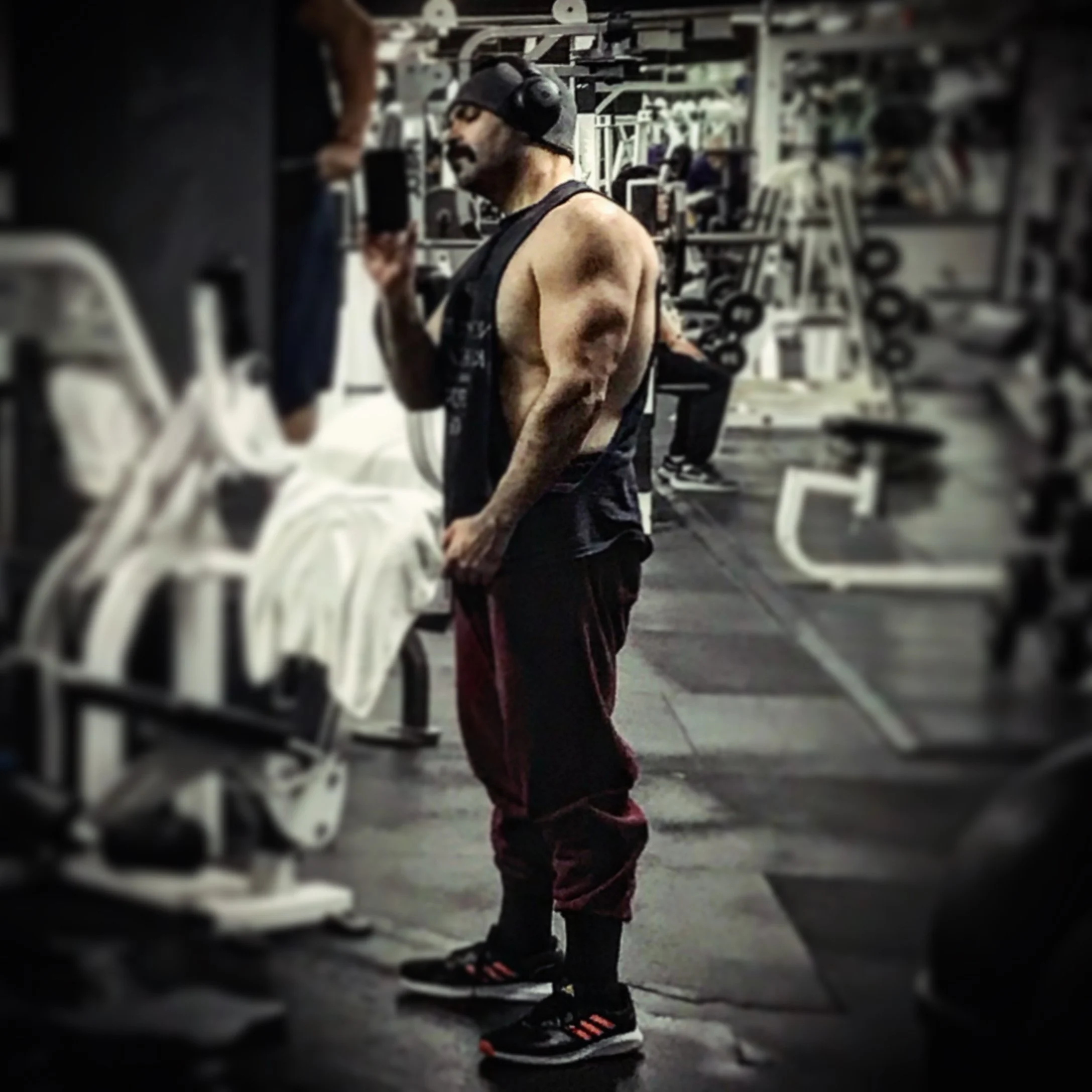
Byzantine Iconography blended with gym selfie - Created using Meta AI

My relationship to bodybuilding has never been about competition. I have no interest in stage lights, spray tans, or trophies. What draws me to it is far quieter and far more personal. It is a discipline that parallels my artistic life in ways that are difficult to explain to anyone who views training as merely physical. For me, it is sculptural study, psychological conditioning, and philosophical rehearsal all at once.

At the most obvious level, bodybuilding sharpens my understanding of anatomy. As someone who works across painting, photography, cinematography, and lighting, I am constantly studying the human form. But studying anatomy from books or classical drawings is different from feeling how a muscle contracts, how tension distributes across the spine, how deltoids articulate under load, or how fatigue subtly alters posture. Training forces a lived intimacy with structure. It deepens my sensitivity to how light will wrap around a torso, how shadow pools beneath a ribcage, how proportion shifts the entire emotional tone of a figure. The gym becomes a laboratory for observing form from the inside out.

Yet the more profound value of bodybuilding is psychological. Muscle cannot be rushed. It responds only to consistency, recovery, and patience. It exposes delusion quickly. If you skip work, the mirror reflects it. If you overestimate effort, the body corrects your narrative. It is a brutally honest feedback system. That honesty mirrors the creative process. You cannot shortcut mastery. You cannot fake cohesion. You cannot rely on bursts of inspiration while neglecting daily discipline. Training conditions me to respect process over performance.

Because I am not preparing for competition, I am freed from comparison. There is no scoreboard. No external standard beyond symmetry and intention. The practice becomes internal. It becomes aesthetic inquiry rather than social validation. In that sense, bodybuilding functions much like painting in solitude. It is an ongoing dialogue between aspiration and reality. It is incremental refinement. It is an act of authorship over one’s own development.

There is also something meditative about structured strain. Repetition under resistance demands presence. It quiets mental noise. It sharpens focus. And in that state, I often find clarity that carries back into my studio work. The willingness to endure discomfort in the gym translates directly to creative risk-taking. Both require faith in long arcs of growth that are invisible day to day but undeniable over years.

Ultimately, non-competitive bodybuilding reinforces a principle that governs my entire life: freedom is built on discipline. The aesthetic result is secondary. What matters is the structure beneath it — the quiet commitment to incremental progress, the refusal to chase shortcuts, the understanding that transformation, whether physical or artistic, is earned slowly and deliberately. The body becomes less an object of display and more a medium through which discipline is practiced. And discipline, more than talent, is what sustains a creative life.

tags: #BodyAsArt, #PhysicalAesthetics, #TheArtOfTheBody, #EmbodiedPractice, #LivingArt, #EmbodiedDiscipline, #ArtThroughDiscipline, #CreativeDiscipline, #AestheticPractice, #TheBodyAsMedium, #DisciplineOfTheBody, #FreedomThroughDiscipline, #DailyDiscipline, #PhysicalDiscipline, #SelfMastery, #EarnedStrength, #LongTermTraining, #IncrementalProgress, #ConsistencyOverIntensity, #DisciplineEqualsFreedom, #NonCompetitiveBodybuilding, #BodybuildingAsPractice, #ArtOfTraining, #BodybuildingLifestyle, #BodyAsPractice, #TrainingForLife, #LifelongTraining, #PersonalBodybuilding, #IntentionalTraining, #StrengthPractice, #PhilosophyOfStrength, #ReflectiveWriting, #ThoughtfulTraining, #PhilosophyOfTheBody, #MindBodyPractice, #CreativePractice, #IntentionalLiving, #DepthOverNoise
Friday 03.27.26
Posted by FRESKO IMAGEWORKS
 

Strength and Softness

Photo Credit: Orlando Vivas

There is a misconception that strength requires hardness — emotional distance, stoicism, impermeability. In physical culture especially, toughness is often equated with silence and restraint. But strength and softness are not opposites. They are complements.

In training, rigidity leads to injury. A muscle that cannot lengthen tears. A joint that cannot adapt deteriorates. True strength includes flexibility. It includes responsiveness. Emotionally, the same principle applies.

To feel deeply is not weakness. It is sensitivity — the capacity to register nuance. The challenge is not eliminating softness, but stabilizing it within structure. I have spent much of my life cultivating independence. Self-sufficiency can resemble invulnerability. It feels controlled. Predictable. But over time, impermeability becomes isolation.

There is courage in allowing oneself to be affected. To care openly. To express uncertainty without collapsing into it. This tension is particularly present in masculine spaces. Physical strength is visible. Emotional depth is less so. Yet the men I respect most — whether artists, athletes, or thinkers — exhibit both.

Consider classical representations of heroes: powerful in form yet expressive in gesture. Even in sculpture, the greatest works balance tension and vulnerability. The body may be carved in marble, but the face often reveals interior life. Strength without softness becomes brittle. Softness without strength becomes unstable. The integration of both produces resilience.

Resilience is not the absence of fracture; it is the ability to recover. It requires internal elasticity. It requires acknowledging impact without disintegrating. For me, the pursuit of strength — in the gym or in thought — is no longer about dominance. It is about capacity. The capacity to endure stress, to hold complexity, to remain grounded while open. Softness does not negate discipline. It humanizes it. To build a powerful body while suppressing emotional awareness is incomplete development. To cultivate sensitivity without structure is equally incomplete.

Integration is the aim. Strength should expand possibility, not narrow it. And softness, properly anchored, expands connection.

tags: #StrengthAndSoftness, #MindBodyBalance, #SelfMastery, #EmotionalStrength, #InnerDiscipline, #ConsciousLiving, #StrengthTrainingMindset, #ReflectiveWriting, #GrowthMindset, #IntentionalLiving, #HumanizedStrength, #StrongBodyStrongMind, #PhilosophyOfLife, #InnerWork, #PurposeDrivenLife, #BalancedStrength, #StrengthWithSensitivity, #DisciplinedMind, #IntegratedSelf, #HolisticStrength, #ModernStoicism, #PhilosophyOfStrength, #SelfInquiry, #PersonalEthics, #PhilosophicalThought, #DepthOverNoise, #SelfDevelopment, #MentalDiscipline, #PersonalGrowthJourney, #BuildYourself, #EvolveDaily, #TrainWithPurpose, #FunctionalStrength, #AthleticMindset, #StrengthLifestyle, #TrainAndReflect, #DisciplineEqualsFreedom, #PhysicalAndMentalStrength, #EmotionalAwareness, #EmotionalIntelligence, #SelfAwarenessJourney, #HumanDevelopment, #EmotionalDepth, #MindfulStrength, #AwarenessPractice, #InnerBalance, #PsychologicalGrowth, #ThoughtfulWriting, #BlogPhilosophy, #LongformWriting, #WritersOfInsight, #EssayWriting, #WritersPerspective, #IntellectualBlog, #IdeasWorthExploring
Friday 03.06.26
Posted by FRESKO IMAGEWORKS
 

Motion Picture & Print Photography by FRANCISCO ESCOBAR