
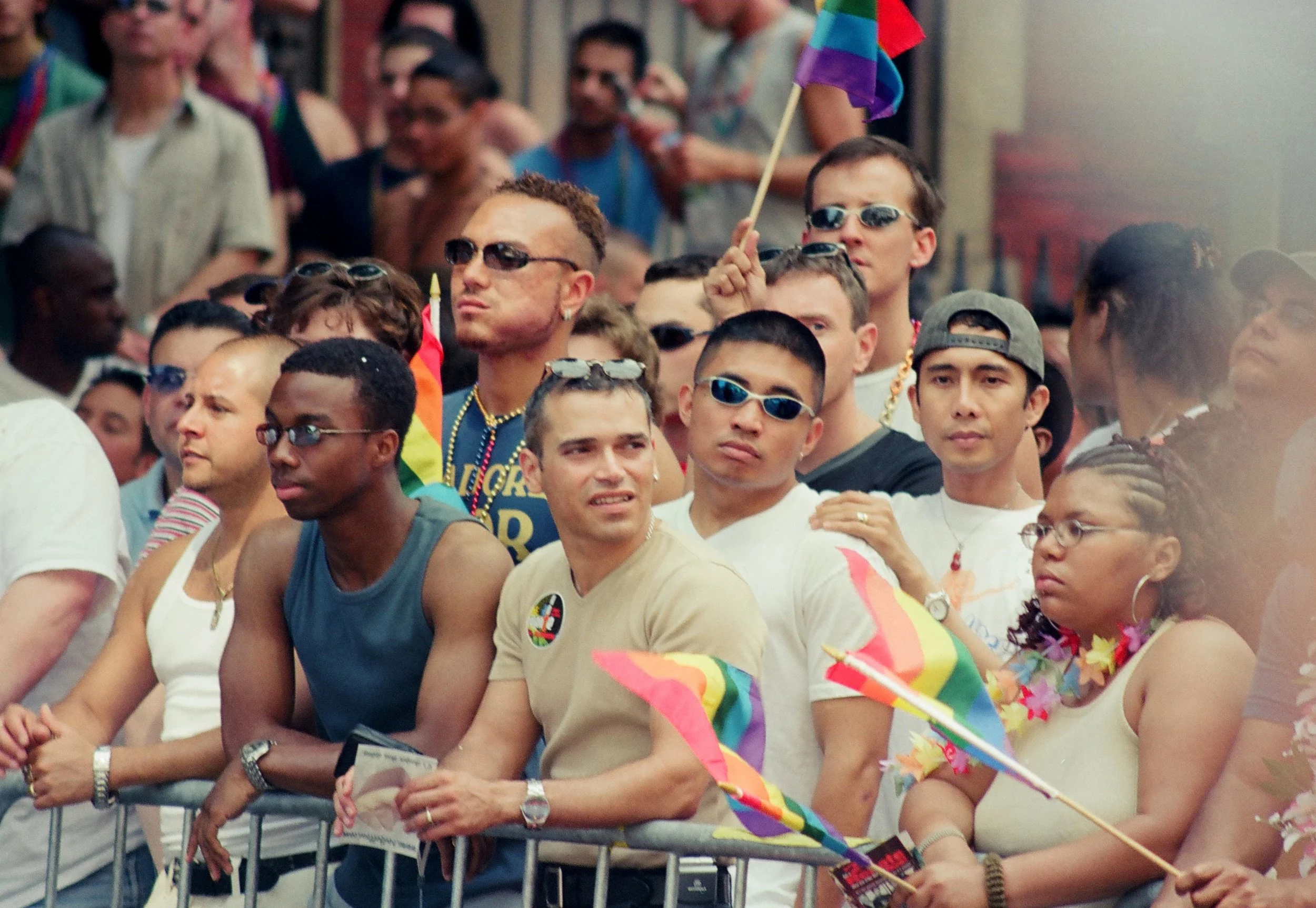
Every June, social media becomes predictable. Corporations change their logos. People post rainbow flags. Others complain about rainbow flags. Supporters become louder. Opponents become louder. Everyone seems to pick a side and begins performing it publicly. But somewhere in the middle of all that noise, I think people occasionally lose sight of what Pride was actually supposed to be.
One thing broader LGBT acceptance has created is a strange expectation. There seems to be an assumption that increased visibility should somehow produce universal approval. If enough people come out; if enough representation exists in media; if enough companies issue carefully worded statements of support, then eventually everyone will come around. The implication is that acceptance is an inevitable destination and that resistance is simply a temporary obstacle standing in the way of progress. I don't think that's how people work.
Some people will never approve. Some people will never understand. Some people will never support you — and perhaps most importantly, some people are not worth the emotional labor required to be convinced.
Coming out was never a magical event that guaranteed applause. It was never a transaction where honesty automatically produces acceptance. For some people, coming out strengthens existing relationships. For others, it destroys them. Some people discover support in places they never expected to find it. Others discover rejection from people they believed would always love them. That reality is painful. But it is also clarifying.

“FIERCE”
While coming out may cost certain relationships, it often creates something more valuable: the freedom to stop negotiating your existence; the freedom to stop performing; the freedom to stop editing yourself for the comfort of others; the freedom to stop carrying the exhausting burden of someone else's expectations. Once that burden falls away, something interesting happens.
You begin finding your people; your allies; your chosen family. You begin to find the friends who celebrate rather than tolerate you; the partners who see you clearly. They are the communities where your existence does not require explanation, justification, or defense. They are the people who offer acceptance freely rather than conditionally. That is where Pride has always made the most sense to me.
It is not a demand for approval nor is it a campaign to force agreement. It is not to silence criticism, nor is it a request for applause. Pride is what happens after you stop needing those things.
There is a misconception, particularly online, that confidence means winning over your critics; that validation arrives when everyone finally agrees with you; or that dignity requires universal acceptance. The reality: maturity often looks exactly the opposite. It looks like recognizing that some people are committed to misunderstanding you. It looks like understanding that some people need villains for their worldview to function. It looks like accepting that hatred frequently has very little to do with the people being hated. But most importantly, it looks like refusing to organize your life around changing minds that have already been made up.

“JOYFUL”
The truth is that social progress does not eliminate prejudice. Visibility does not eliminate ignorance. Representation does not eliminate resentment. There will always be people who disapprove; people who object. There will always be people who find reasons to diminish, shame, mock, or dehumanize others. The mistake is believing that those people somehow deserve a seat at the center of your life. They do not.
Pride, at its healthiest, is not an argument directed toward those people at all. It is a refusal to internalize their judgment; to carry their shame,; or to measure your worth according to standards designed by people who never intended to respect your humanity in the first place.
When someone says, "I don't approve," Pride responds, "That isn't my problem."
When someone says, "You should be ashamed," Pride responds, "I won't be."
When someone says, "I don't accept you," Pride responds, "I wasn't asking for your permission."
That is not arrogance. That is liberation. There is a profound difference between wanting acceptance and needing it. The former is human. The latter is captivity.
At some point, every LGBT person must decide whether they are going to spend their lives chasing validation from people committed to withholding it, or whether they are going to invest that energy into building relationships with people capable of offering genuine love, friendship, and respect. One path leads to endless frustration. The other leads to peace. Pride was never about forcing everyone to celebrate you. It was never about becoming immune to criticism. It was never about creating a world where nobody disapproves. It is about surviving in a world where some people always will. It is about finding one another. It is about building communities where dignity is assumed rather than negotiated. It is about creating spaces where people could live honestly without apology. Most of all, it is about understanding that your value as a human being is not determined by the approval of those who would diminish you.
What Pride ultimately offers is not victory over those people, but freedom from them. It is not an argument designed to persuade the unwilling. It is not a debate stage. It is not a referendum on whether others approve of your existence. Pride is the moment one realizes that the opinions of those committed to misunderstanding you are not nearly as important as they have convinced you they are. The goal is not universal acceptance. The goal is self-acceptance. The goal is finding community among those who offer respect freely rather than conditionally. The goal is building a life that is not held hostage by the approval of people who never intended to give it.

“ELATED”
Social media often obscures this reality. It creates the illusion that every hateful comment requires a response, that every criticism demands engagement, that every act of ignorance must be corrected. In practice, many people are not interested in learning. They are interested in performing. They are interested in provoking. They are interested in drawing others into endless cycles of outrage that consume emotional energy without producing meaningful change. There is tremendous power in recognizing when a conversation is no longer worth having. Not every critic deserves a rebuttal. Not every accusation deserves a defense. Sometimes the most liberating response is simply refusing to take seriously people who have not earned the authority they claim to possess.
The same principle applies to institutions. Corporations drape themselves in rainbow flags as though social progress can be achieved through seasonal branding campaigns one month out of the year. Multinational companies that spent eleven months pursuing profit suddenly discover their commitment to equality the moment Pride Month becomes marketable. Logos change colors. Advertising departments issue carefully crafted statements. Merchandise appears in stores. Social media teams post declarations of solidarity written by committee. While some of these efforts undoubtedly emerge from sincere people working within those organizations, it is difficult to ignore the transactional nature of much of it. Corporations are not activists. They are not moral authorities. They are not your friends. Their primary responsibility remains exactly what it has always been: generating revenue. When support for LGBT communities aligns with profit incentives, many companies are eager to participate. When that support threatens profitability, their courage often becomes far less visible.
This does not mean representation lacks value. Visibility matters. Seeing oneself reflected in media, advertising, and public life matters. But there is a difference between appreciation and dependency. Just as LGBT people should not base their self-worth on the approval of their critics, neither should they base it on the approval of corporations eager to monetize their identities. A rainbow logo is not liberation. A marketing campaign is not solidarity. A company selling Pride merchandise is not a substitute for friendship, community, family, legal protections, or genuine human acceptance. The danger lies in confusing recognition with belonging.
Belonging cannot be purchased. It cannot be manufactured by a public relations department. It emerges through authentic relationships, mutual support, shared struggle, and genuine care. It emerges among friends who answer the phone when life falls apart; among partners who remain when circumstances become difficult; among communities that provide refuge when the wider world becomes hostile. These are the things that sustain people. These are the things that matter long after the rainbow banners come down and the marketing campaigns end.
This is why I have increasingly come to view Pride not as a demand for acceptance but as a declaration of independence. One’s humanity does not require ratification from strangers, politicians, religious authorities, internet commentators, or multinational corporations. It is understanding that your worth exists independent of their approval.
The people who love you freely matter. The people who respect you matter. The people who stand beside you when doing so costs them something matter. The people who support your happiness, your growth, your safety, and your dignity matter, They matter more than any rainbow flag, more than any parade, any slogan, or any social media campaign. This is the enduring lesson of Pride: you do not have to spend your life convincing people to see your worth. You only have to stop giving power to those who refuse to see it.
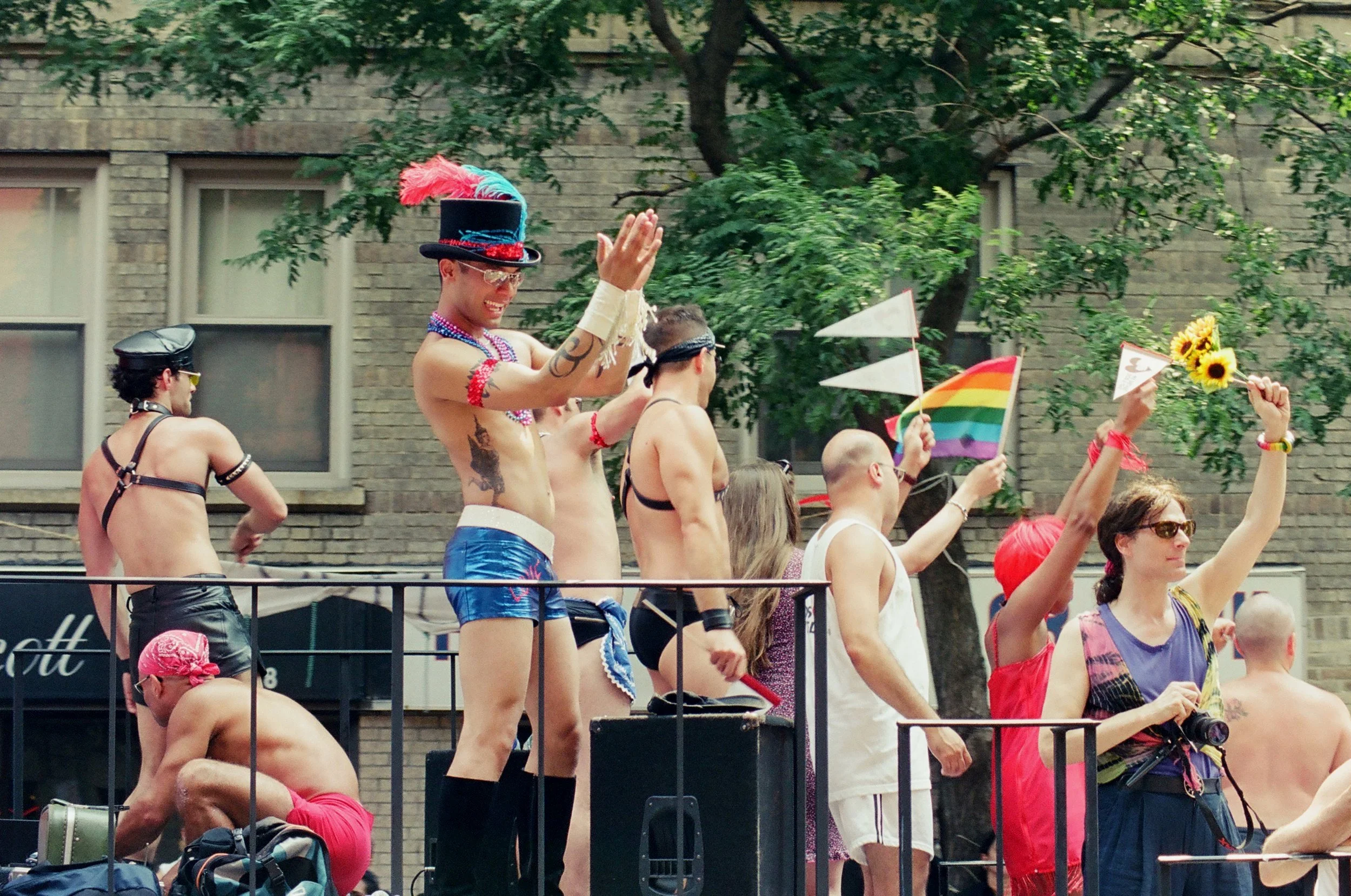
SHOW YOUR PRIDE YOU SASSY BITCH!