• SELECTED PROJECTS
  • About
  • Curriculum Vitae
  • IMPACT & METHODOLOGY
  • ARTIST STATEMENT
  • Contact
freskoimageworks.com
  • SELECTED PROJECTS
  • About
  • Curriculum Vitae
  • IMPACT & METHODOLOGY
  • ARTIST STATEMENT
  • Contact

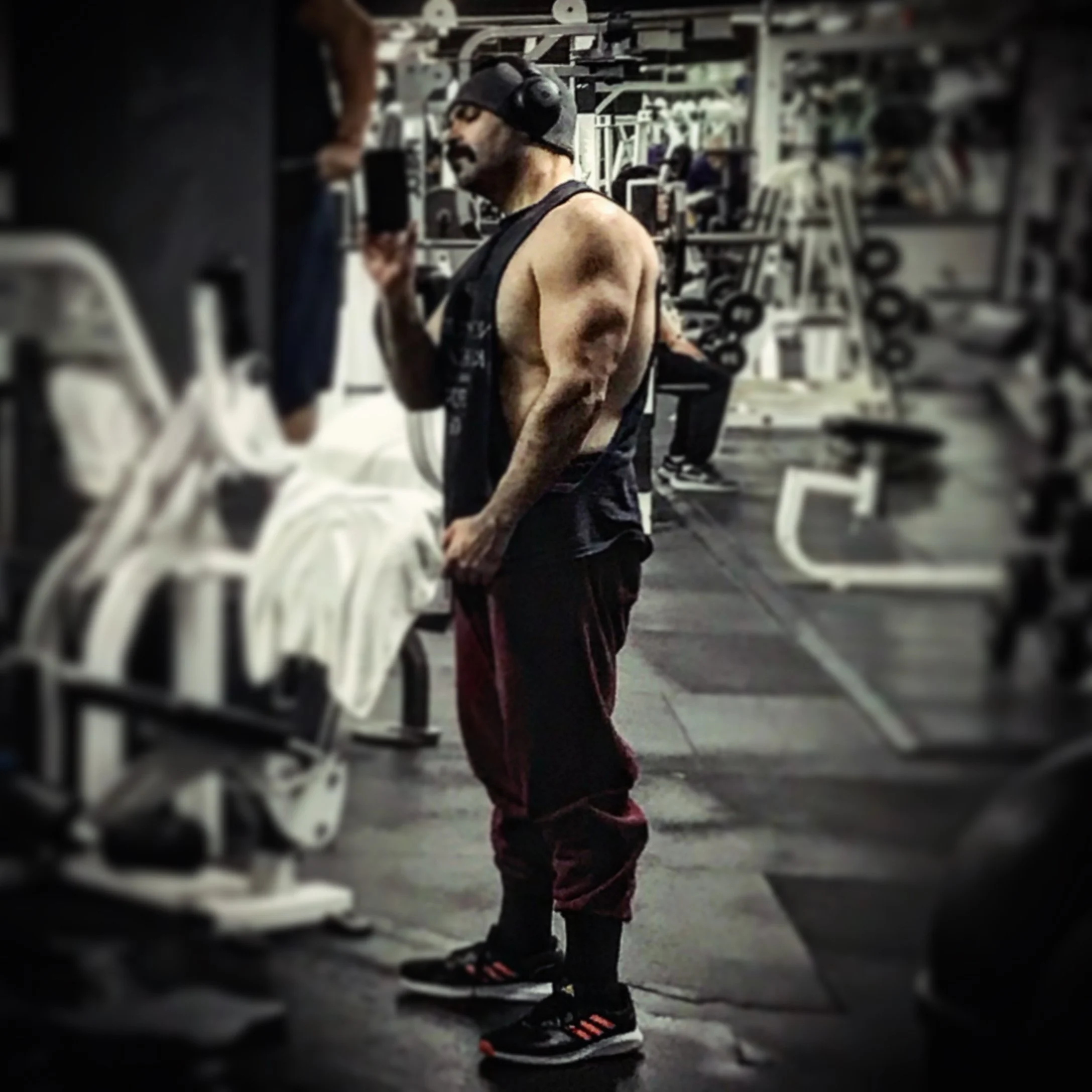
The Body as Architecture

I increasingly think of the body not as flesh alone, but as structure — a deliberate piece of evolving architecture shaped over time. This shift in perspective changes everything. Training ceases to be punishment. It becomes design.

Architecture requires intention. No building rises accidentally. There is planning, proportion, load-bearing consideration, and an understanding of how negative space defines form as much as material does. The same principles apply to physique development. One does not simply accumulate mass; one refines symmetry, adjusts ratios, studies silhouette. Each muscle group is not isolated, but relational.

This is where the sculptural element emerges. The Renaissance understood this well. In works attributed to Michelangelo, tension and stillness coexist. Strength is inseparable from grace. Even unfinished figures reveal a profound awareness of how form emerges gradually from resistance. The body, similarly, is revealed through constraint — through repetition, recovery, recalibration.

But unlike marble, the body is alive. It adapts to stress. It compensates. It fatigues. Architecture built from biology demands maintenance. It requires listening as much as imposing. Ignore structural integrity and collapse follows — in injury, imbalance, or burnout.

There is also a psychological dimension that makes this metaphor more than aesthetic. To shape one’s physique intentionally is to assert authorship over appearance. In a culture that commodifies and critiques the body from the outside, designing it from within becomes an act of reclamation. Instead of passively inheriting form, one participates in constructing it.

Yet architecture is not solely visual. A building must function. A body must perform. Size without mobility is fragility. Strength without endurance is instability. Aesthetic without health is unsustainable. True architecture harmonizes beauty and utility; the same should be demanded of physical development.

This balance is where maturity enters the discipline. Early training often prioritizes visible change — mass, leanness, measurable markers. Over time, deeper concerns emerge: structural balance, joint longevity, proportional development, sustainability. Foundations become more important than facades. Foundations take time.

No cathedral is assembled in a season. No meaningful physique is constructed without years of patient layering. Setbacks are part of the process. Plateaus, injuries, recalibrations occur despite one’s best efforts avoid them. Architects revise plans. Builders reinforce beams. Likewise, the body requires periodic redesign.

What I value most about this approach is that it reframes the gym from battlefield to studio. Training becomes less about aggression and more about refinement. It is a long-term dialogue between intention and adaptation.

The body is both medium and maker. It responds to deliberate stress the way stone responds to chisel — gradually revealing what was latent. But unlike stone, it demands respect. It demands rest. It demands coherence between ambition and sustainability. To treat the body as architecture is to think generationally rather than impulsively. It is to ask not only how it looks now, but how it will stand decades from today.

Design is not spectacle. It is structure that endures.

tags: #NonCompetitiveBodybuilding, #BodybuildingAsPractice, #ArtOfTraining, #BodybuildingLifestyle, #BodyAsPractice, #TrainingForLife, #LifelongTraining, #PersonalBodybuilding, #IntentionalTraining, #StrengthPractice, #DisciplineOfTheBody, #FreedomThroughDiscipline, #DailyDiscipline, #PhysicalDiscipline, #SelfMastery, #EarnedStrength, #LongTermTraining, #IncrementalProgress, #ConsistencyOverIntensity, #DisciplineEqualsFreedom, #BodyAsArt, #PhysicalAesthetics, #TheArtOfTheBody, #EmbodiedPractice, #LivingArt, #EmbodiedDiscipline, #ArtThroughDiscipline, #CreativeDiscipline, #AestheticPractice, #TheBodyAsMedium, #StrengthLifestyle, #TrainWithPurpose, #StrongBodyStrongMind, #StrengthAsLifestyle, #PhysicalCulture, #IntentionalStrength, #StrengthAndAwareness, #TrainingPhilosophy, #PhilosophyOfStrength, #ReflectiveWriting, #ThoughtfulTraining, #PhilosophyOfTheBody, #MindBodyPractice, #CreativePractice, #IntentionalLiving, #DepthOverNoise
Friday 07.03.26
Posted by FRESKO IMAGEWORKS
 

Discipline as Devotion

Discipline is often framed as punishment. A narrowing of options. A denial of impulse. But the longer I practice it — in training, in art, in thought — the more it feels less like restriction and more like devotion. Devotion implies love.

When I wake early to train, when I return to the canvas after a long day, when I revise a paragraph instead of abandoning it — I am not merely exerting willpower. I am choosing alignment. Discipline becomes the structure that protects intention from distraction. There is a misconception that creativity thrives in chaos. While spontaneity has its place, sustained output does not arise from randomness. It arises from ritual. From showing up when inspiration is absent. From honoring process even when the outcome is uncertain.

In bodybuilding, the body does not respond to intensity alone; it responds to consistency. In painting, skill does not emerge from occasional brilliance but from repetition. In writing, clarity sharpens through editing, not inspiration. Discipline is not glamorous. It is quiet. It is repetitive. It rarely produces immediate applause. But over time, it accumulates mass,  mass that is physical, intellectual, and spiritual.

There is also something grounding about it. In a culture of distraction and constant stimulation, discipline reasserts agency. It says: I choose what I build. I decide what receives my energy. I am not purely reactive. Devotion is sustained attention over time. When I think of discipline in that light, it shifts from obligation to offering. It becomes an act of respect toward my own potential. Perhaps that is the deeper layer — self-respect.

To commit to something long-term is to declare that it matters. To honor that commitment repeatedly is to affirm that you matter enough to pursue it. Discipline is not the opposite of freedom. It is the path to a more deliberate kind of freedom, one where outcomes are shaped rather than drifted into.

The body changes. The portfolio grows. The mind sharpens. None of it happens accidentally. It happens because devotion, practiced daily, compounds.

tags: #NonCompetitiveBodybuilding, #BodybuildingAsPractice, #ArtOfTraining, #BodybuildingLifestyle, #BodyAsPractice, #TrainingForLife, #LifelongTraining, #PersonalBodybuilding, #IntentionalTraining, #StrengthPractice, #DisciplineOfTheBody, #FreedomThroughDiscipline, #DailyDiscipline, #PhysicalDiscipline, #SelfMastery, #EarnedStrength, #LongTermTraining, #IncrementalProgress, #ConsistencyOverIntensity, #DisciplineEqualsFreedom, #BodyAsArt, #PhysicalAesthetics, #TheArtOfTheBody, #EmbodiedPractice, #LivingArt, #EmbodiedDiscipline, #ArtThroughDiscipline, #CreativeDiscipline, #AestheticPractice, #TheBodyAsMedium, #StrengthLifestyle, #TrainWithPurpose, #StrongBodyStrongMind, #StrengthAsLifestyle, #PhysicalCulture, #IntentionalStrength, #StrengthAndAwareness, #TrainingPhilosophy, #PhilosophyOfStrength, #ReflectiveWriting, #ThoughtfulTraining, #PhilosophyOfTheBody, #MindBodyPractice, #CreativePractice, #IntentionalLiving, #DepthOverNoise
Friday 06.12.26
Posted by FRESKO IMAGEWORKS
 

Steroids, Performance Enhancement, and the Ethics of Honesty

Few topics in modern fitness culture provoke more immediate polarization than performance-enhancing drugs. The conversation tends to fracture instantly into moral condemnation or unapologetic advocacy. I find both extremes reductive. My position is more deliberate, and perhaps less emotionally convenient.

To be clear: I do not currently use performance-enhancing drugs. I have never built my physique on them. That said, I have given the subject serious consideration. Not impulsively, not recklessly — but analytically. I believe difficult decisions deserve examination rather than reflex.

At present, my training remains natural and internally driven. My interest in bodybuilding is aesthetic, philosophical, and disciplinary. It is rooted in sculptural inquiry and psychological refinement. Enhancement has not been necessary for those goals. However, I do not categorically rule out future use if I were to compete in an untested or open division where such substances are structurally embedded in the competitive landscape. Context matters.

In sport, rules define ethics. If a federation prohibits enhancement, using it is cheating — simple. But in open divisions, where enhancement is an acknowledged norm, the moral framework shifts. The issue becomes one of informed consent and transparency rather than deception.

What I object to most strongly is dishonesty. If someone builds a chemically enhanced physique and markets it as purely natural while monetizing influence, that is misrepresentation. It distorts expectations and exploits trust. The ethical breach lies not in the compound, but in the lie.

Autonomy matters. Adults should be free to make informed decisions about their bodies. But autonomy without honesty corrodes integrity. Social media has amplified illusion — curated narratives, selective transparency, strategic ambiguity. In that environment, candor becomes rare and therefore valuable.

My consideration of enhancement has never been about shortcuts. It has been about understanding the full spectrum of the discipline I engage with. If one were to enter an arena where enhancement is the standard, refusing to acknowledge that reality would be naïve. But as long as my pursuit remains personal, internal, and non-competitive, the calculus remains different.

There is also a philosophical layer. I value process. I value incremental growth. I value the discipline forged through time. If enhancement ever entered my equation, it would not be hidden, and it would not redefine the underlying principle that integrity matters more than aesthetics.

At this stage, I remain natural. If that changes in a clearly defined competitive context, it would be transparent. What I reject outright is illusion — the performance of purity while quietly rewriting the script.

The substance is not the moral center of the debate. Honesty is.

tags: #PhilosophyOfStrength, #ReflectiveWriting, #ThoughtfulTraining, #PhilosophyOfTheBody, #MindBodyPractice, #CreativePractice, #IntentionalLiving, #DepthOverNoise, #StrengthLifestyle, #TrainWithPurpose, #StrongBodyStrongMind, #StrengthAsLifestyle, #PhysicalCulture, #IntentionalStrength, #StrengthAndAwareness, #StrengthPractice, #TrainingPhilosophy, #BodyAsArt, #PhysicalAesthetics, #TheArtOfTheBody, #EmbodiedPractice, #LivingArt, #EmbodiedDiscipline, #ArtThroughDiscipline, #CreativeDiscipline, #AestheticPractice, #TheBodyAsMedium, #DisciplineOfTheBody, #FreedomThroughDiscipline, #DailyDiscipline, #PhysicalDiscipline, #SelfMastery, #EarnedStrength, #LongTermTraining, #IncrementalProgress, #ConsistencyOverIntensity, #DisciplineEqualsFreedom, #NonCompetitiveBodybuilding, #BodybuildingAsPractice, #ArtOfTraining, #BodybuildingLifestyle, #BodyAsPractice, #TrainingForLife, #LifelongTraining, #PersonalBodybuilding, #IntentionalTraining
Friday 05.08.26
Posted by FRESKO IMAGEWORKS
 

Motion Picture & Print Photography by FRANCISCO ESCOBAR