
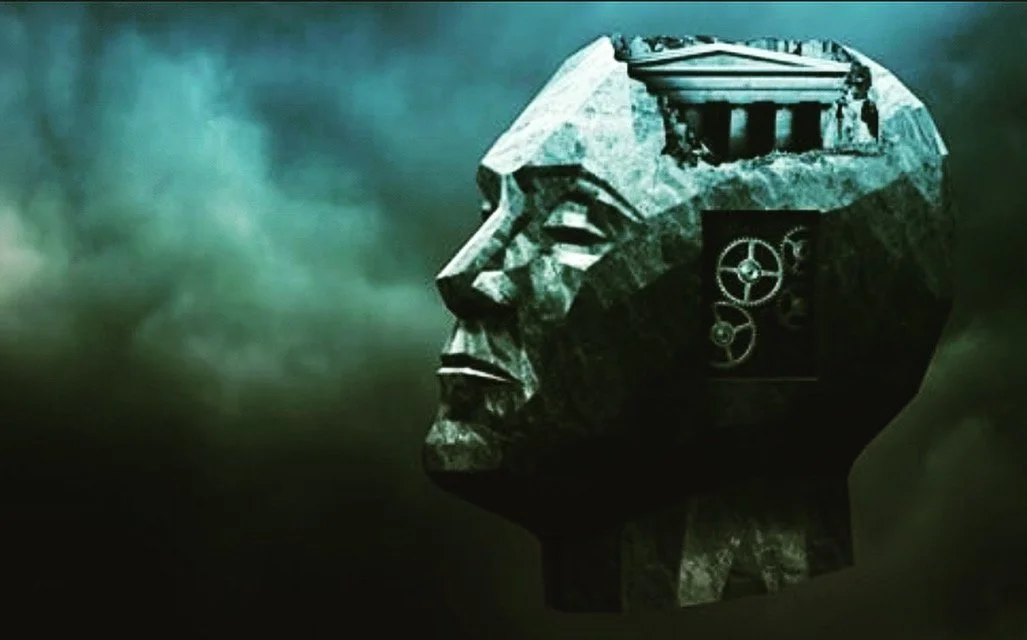
When historians describe the Renaissance, they often portray it as a sudden flowering of art, science, and human thought following the long shadow of the Middle Ages. Figures like Leonardo da Vinci and Michelangelo appear in textbooks as symbols of an era of intellectual rebirth. But one question rarely asked is whether people living during that time actually perceived themselves as part of a “renaissance.” It is entirely possible that they simply experienced their lives as the present moment, unaware that history would later frame their era as a turning point. That thought leads naturally to another question: if humanity were to enter a new renaissance today, what might it look like?
A modern renaissance would likely require a shift not only in technology but also in mindset. Periods of cultural flourishing tend to arise when societies rediscover curiosity — when rigid systems of thought loosen and new ideas begin to circulate freely. In the historical Renaissance, this shift involved renewed interest in classical philosophy, advances in scientific observation, and radical developments in artistic technique.
Today, the conditions for a new renaissance might look different.
Scientific progress is already accelerating in fields such as artificial intelligence, biotechnology, and space exploration. Artistic tools have expanded dramatically through digital media. Information travels across the globe instantly. Yet technological progress alone does not guarantee a renaissance.
What may be required is an ideological shift — a renewed emphasis on interdisciplinary thinking. The historical renaissance thrived because artists studied anatomy, engineers explored aesthetics, and philosophers engaged with mathematics. Knowledge was not yet divided into rigid academic compartments. A modern renaissance might involve rediscovering that integration. Scientists who think like artists. Artists who think like philosophers. Philosophers who engage directly with technological realities.
Spiritual exploration might also play a role. As traditional religious frameworks evolve, new approaches to meaning and ethics may emerge. Humanity may begin exploring ways of understanding consciousness that integrate scientific insight with philosophical reflection. Perhaps most importantly, a renaissance requires optimism about human potential.
Dark periods in history often arise when societies become trapped in fear, dogma, or stagnation. Renewal occurs when imagination reawakens and people begin asking new questions about what is possible.
If the darkness of our current era eventually clears — politically, culturally, and environmentally — something new will inevitably take its place. History suggests that human creativity does not disappear during difficult times. It accumulates quietly until conditions allow it to surface.
When that moment arrives, the transformation may not feel dramatic at first. It may simply feel like a growing sense of possibility. Only later, when historians look back, might they realize that humanity had quietly stepped into another renaissance all along.